
Optimizing Data Centers with Laser Diode Array VCSEL Solutions
For data center operators, every watt and every gigabit per second matters. As a specialist VCSEL manufacturer, Ace Photonics leverages laser diode array technology and advanced VCSEL platforms to build optical interconnects that move more data, over longer distances, with lower power and tighter thermal control.
Understanding VCSEL Technology in Modern Networks
What Is a VCSEL?
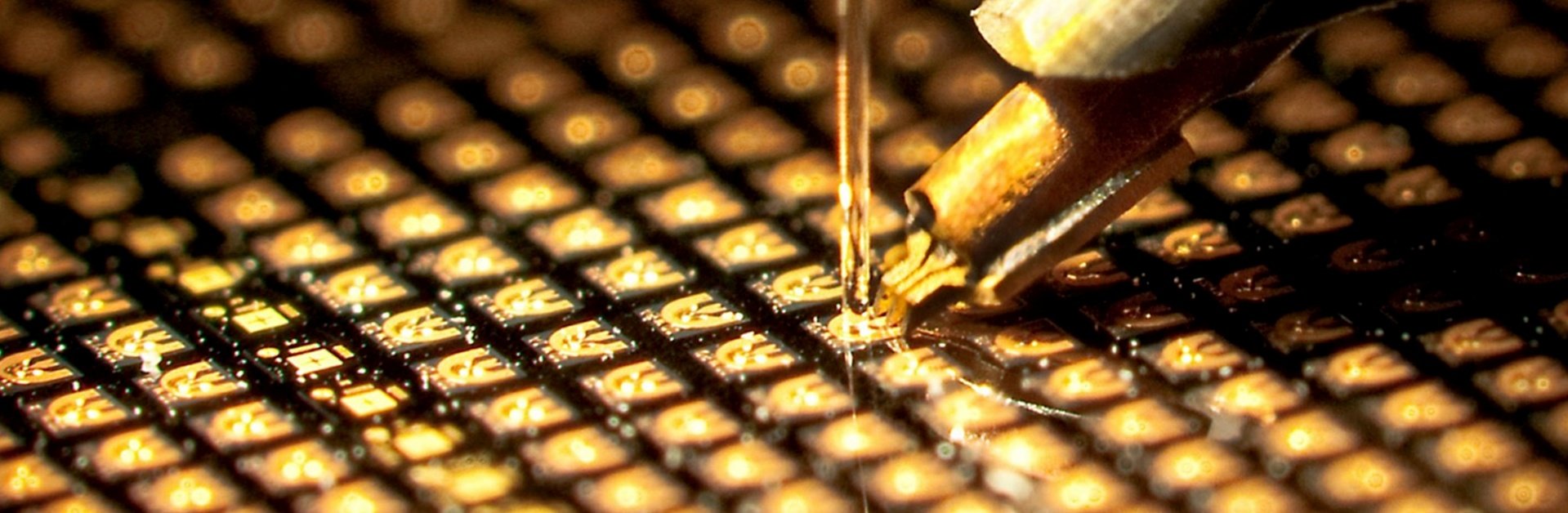
A Vertical-Cavity Surface-Emitting Laser (VCSEL) is a semiconductor laser that emits light vertically from the surface of the chip rather than from the edge. This vertical emission makes VCSELs compact, easy to test at wafer level and highly efficient for coupling into multimode fiber and integrated optics—ideal properties for short-reach links inside data centers.
Key Features and Benefits of VCSELs
For data center and high-speed interconnects, VCSELs typically offer:
Low power consumption for energy-efficient links and reduced cooling load
High modulation bandwidth supporting multi-gigabit and multi-lane optical channels
Excellent wavelength stability over temperature, improving link margin and signal integrity
These characteristics make VCSELs a natural light source for top-of-rack switches, server interconnects and active optical cables where reliability and throughput are critical.
VCSEL Use Cases in Data Centers
Within cloud and enterprise facilities, VCSEL-based solutions are widely deployed in:
Optical interconnects for short-reach multimode fiber links
Active optical cables (AOCs) and optical transceivers for high-density switch ports
Monitoring and sensing functions in optics-plus-sensing modules for smarter infrastructure
Their combination of performance, cost-effectiveness and manufacturability has made VCSELs a cornerstone technology of modern data center architectures.
Laser Diode Arrays: Definition, Function and Advantages
What Is a Laser Diode Array?
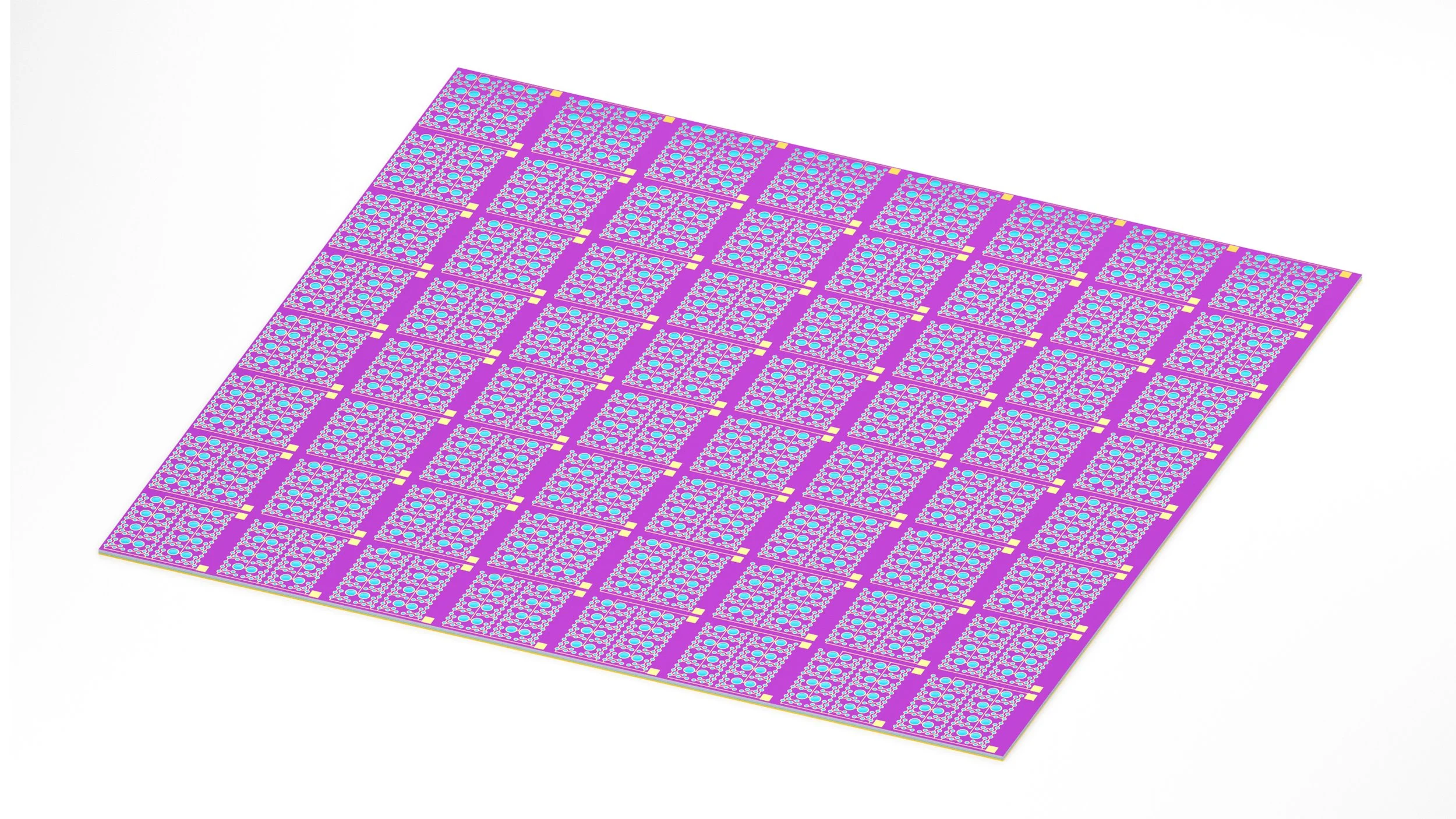
A laser diode array is a structure in which multiple individual laser emitters are integrated onto a single substrate or assembled into a tightly packed module. The combined output delivers higher optical power while enabling controlled thermal management and compact form factors compared with a single discrete diode.
How Laser Diode Arrays Differ from Single Diodes
Conventional laser diodes emit from a single point source. In contrast, laser diode arrays provide:
Multiple emission channels operating simultaneously
More uniform illumination or structured patterns across a defined aperture
Flexible beam shaping using micro-optics or integrated lenses
This distributed emission is particularly useful where designers need either higher total power, customized beam profiles or scalable array architectures—such as VCSEL arrays for high-density interconnects and sensing.
Cross-Industry Applications of Laser Diode Arrays
Laser diode arrays play an enabling role in:
Telecommunications and data communication links
Medical imaging and diagnostics
Industrial materials processing and manufacturing
3D sensing, LiDAR and machine vision systems
By delivering precisely controlled optical power in a compact package, laser diode arrays provide the optical “engine” for many next-generation systems.
Data Center Challenges: Bandwidth, Power and Scalability
The exponential growth of cloud workloads, AI training and edge services continues to push data center infrastructure to its limits. Operators must:
Increase aggregate bandwidth per rack and per fiber link
Control energy consumption and cooling costs
Maintain signal integrity over denser interconnect topologies
Ensure scalability for future data rate upgrades
Photonic integration—combining VCSELs, laser diode arrays and optimized packaging—has become essential to meeting these demands without linear growth in power and footprint.
Boosting Data Center Efficiency with VCSEL Integration
VCSELs as the Optical Backbone
Within the data hall, VCSELs act as the core light source in short-reach optical links that connect:
Servers to top-of-rack switches
Leaf-spine switching layers
High-performance storage and accelerator nodes
Their ability to operate at high data rates with low latency and good eye diagrams makes VCSELs central to real-time workloads such as AI inference, financial trading and interactive cloud services.
Benefits of VCSEL-Based Architectures
Integrating VCSELs into data center equipment delivers:
Higher bandwidth density on standard multimode fiber
Reduced power per bit, easing rack-level thermal design
Improved signal integrity thanks to stable wavelength and clean beam profiles
The net impact is a more efficient, scalable and serviceable optical fabric with lower total cost of ownership.
Overcoming Copper Interconnect Limitations
Traditional copper cabling faces physical limits in:
Maximum reliable data rate
Reach at higher frequencies
Susceptibility to electromagnetic interference
VCSEL-based optical links help data centers break these limitations, enabling multi-gigabit and multi-lane transmission over longer distances while maintaining low error rates and robust operation.
The Critical Role of Laser Diode Arrays in VCSEL Systems
How Laser Diode Arrays Complement VCSEL Technology
When VCSELs are implemented in high-density laser diode arrays, they combine the efficiency of VCSEL devices with the scalable power of arrays. This synergy allows system designers to:
Reach higher total optical power within tight mechanical envelopes
Extend transmission distance or link margin in demanding topologies
Shape and distribute beams for specific interconnect or sensing geometries
Advantages of Laser Diode Arrays in VCSEL Integration
In VCSEL-based data center solutions, laser diode arrays offer:
Higher aggregate output power for parallel optical links
Enhanced thermal management, spreading heat over a larger area and supporting reliable operation
Array-level reliability, where redundancy and derating strategies can further improve lifetime
These attributes make laser diode arrays well suited for high-performance data center optics that must run continuously under heavy load.
Typical Data Center Use Cases for Laser Diode Arrays
Within data center and cloud hardware, laser diode arrays can support:
Optical amplification or power-boost stages in complex optical paths
Wavelength division multiplexing (WDM) schemes where multiple channels share a fiber
Beam steering or pattern projection, for example in optics that combine communication and sensing
By designing the array architecture and drive electronics together, Ace Photonics helps customers achieve precise, stable optical power profiles tailored to their rack-scale designs.
Custom VCSEL and Laser Diode Array Solutions from Ace Photonics
Photonics Expertise and VCSEL Manufacturing Capability
Ace Photonics focuses on high-performance GaAs-based VCSELs and related semiconductor lasers, supplying dies, packages and modules for data communication, 3D sensing, quantum sensing and industrial applications.
With long-term experience in epitaxial growth, chip processing (including ICP etching, wet oxidation and BCB processes) and advanced packaging, the team supports projects from concept through prototyping to volume production.
Product Portfolio and Custom Services
For customers integrating laser diode arrays and VCSELs into data center platforms, Ace Photonics offers:
VCSEL dies across key near-infrared wavelengths
VCSEL packages and modules optimized for thermal performance and reliability
Custom VCSEL arrays and laser diode arrays for specific optical power, beam shape or footprint requirements
OEM-grade optical assemblies, co-designed with customer electronics and mechanics
Whether you need a standard VCSEL module for rapid evaluation or a fully customized array engine, Ace Photonics can adapt the epitaxial design, device layout and packaging to your data center roadmap.
Addressing the Unique Needs of Data Centers
Every data center has a distinct mix of link distances, port densities and environmental constraints. Ace Photonics collaborates closely with switch, server and module vendors to:
Optimize data throughput per port and per rack
Balance optical power, efficiency and thermal budget
Prepare for future speed grades and new protocols without redesigning the entire photonic layer
This application-driven approach helps operators transition from legacy copper and low-speed optics to scalable photonic infrastructures built on VCSEL and laser diode array technologies.
Integration Outcomes and Future Directions
Proven Benefits of VCSEL and Laser Diode Array Integration
Deployments that combine VCSEL devices with optimized laser diode arrays typically achieve:
Higher link reliability under varying temperature and load
Improved energy efficiency at the system level
Better scalability, as array-based designs can be expanded to new lane counts or higher data rates with minimal mechanical change
While specific performance metrics depend on the individual project, these trends are consistent with what Ace Photonics sees across data communication and sensing customers.
Emerging Trends in VCSEL and Laser Diode Arrays
Looking ahead, several trends will further enhance the value of VCSEL-based laser diode arrays for data centers:
Higher-density arrays to increase port speeds and channel counts
Extended wavelength coverage for advanced multimode and single-mode strategies
Closer integration of drivers, arrays and optics into compact modules
Co-packaged optics near switch ASICs to reduce electrical loss and power consumption
Cost Efficiency, ROI and Deployment Best Practices
Investing in VCSEL and laser diode array solutions is a strategic decision. Over the lifetime of a data center, these technologies can contribute to:
Lower energy and cooling costs per transported bit
Reduced cabling complexity and improved serviceability
Longer platform life, as array-based architectures are easier to scale to new speeds
To maximize these benefits, data center operators should:
Work with experienced VCSEL manufacturers and module partners such as Ace Photonics
Align optical design choices with long-term network architecture plans
Validate thermal, reliability and interoperability performance under realistic workloads
Elevate Your Data Center with Laser Diode Array VCSEL Technology
In an era defined by AI workloads and always-on cloud services, optimizing data center efficiency is no longer optional. By combining VCSEL devices with carefully engineered laser diode arrays, operators can unlock higher data rates, improved reliability and better energy efficiency inside the same physical footprint.
Partnering with Ace Photonics gives you access to deep VCSEL expertise, customizable laser diode array platforms and a full photonic toolbox—from VCSEL dies and packages to complete modules—designed to take your data center optical network to the next level.