Exploring the Benefits of 850nm VCSEL in Sensing Applications
An 850nm VCSEL is now widely used in modern sensing systems. It is compact, efficient, and easy to integrate into optical modules.
For sensing products, the light source must be stable, fast, and cost-effective. It also needs to work well with cameras, photodiodes, filters, and optical parts. This is why many engineers choose 850nm VCSEL technology for short- and mid-range sensing.
At Ace Photonics, we manufacture VCSEL laser diodes for sensing, communication, and precision optical systems. Our 850nm VCSEL products can be used in consumer electronics, industrial sensors, wearable devices, and machine vision systems.
A VCSEL means Vertical-Cavity Surface-Emitting Laser. Unlike an edge-emitting laser, a VCSEL emits light from the top surface of the chip.
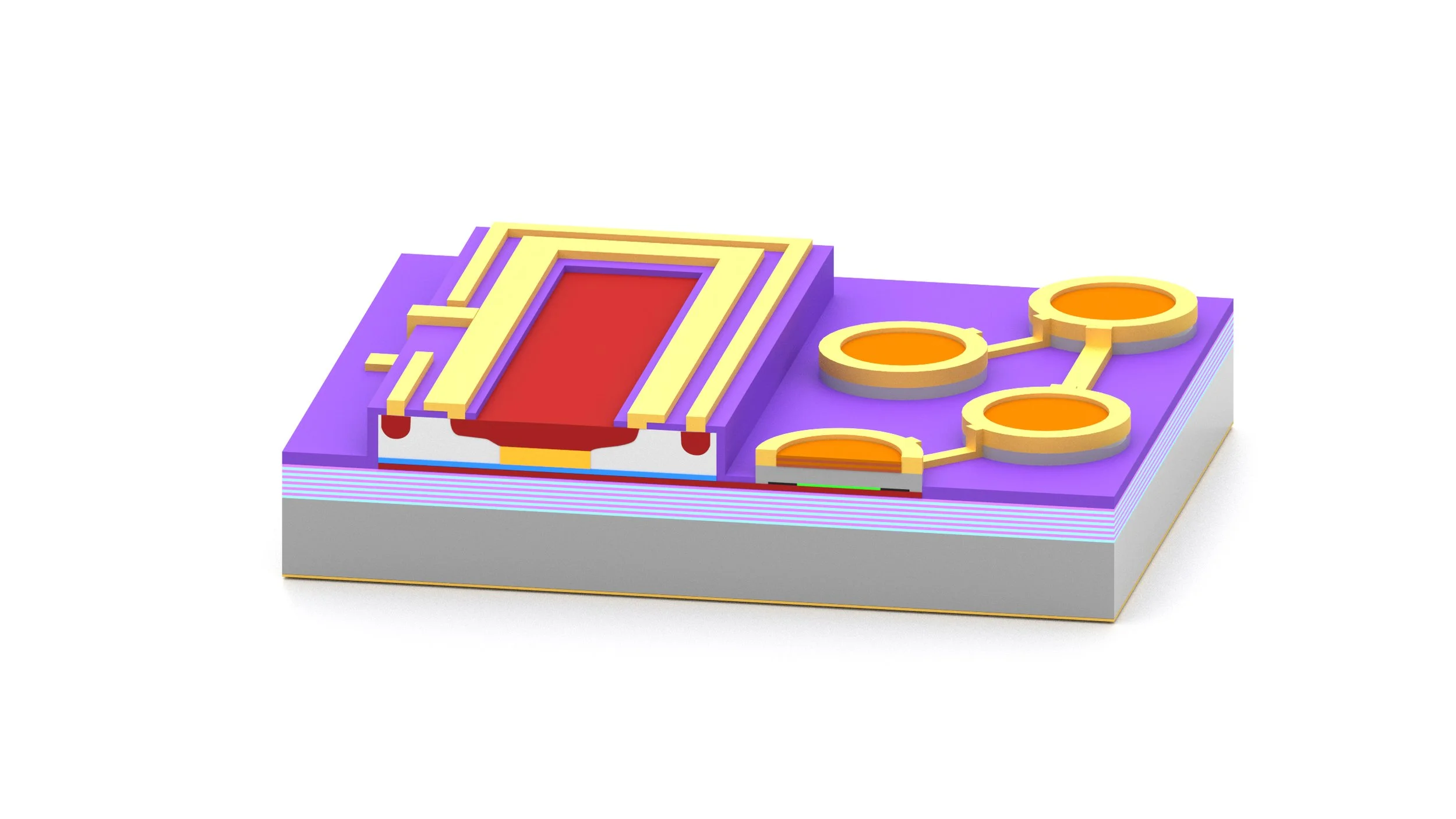
This structure brings several useful benefits:
It supports wafer-level testing.
It is easy to make into arrays.
It fits compact optical modules.
It offers good beam control.
It helps reduce assembly cost.
An 850nm VCSEL emits near-infrared light at around 850 nanometers. This wavelength is commonly used because it matches many silicon-based sensors and cameras.
It also works well with many optical filters and lenses.GFT
Why 850nm VCSEL Is Useful for Sensing
Sensing systems need a clean and stable light source. The signal must be easy to detect. The beam must also be easy to control.
An 850nm VCSEL offers a good balance of performance, size, and cost.
Key Advantages at a Glance
Clean Signal and High Sensitivity
Many sensors respond well to 850nm light. This makes the 850nm VCSEL a strong choice for optical sensing.
When used with the right receiver and filter, it can provide a clear signal. This helps the system detect objects, motion, distance, or reflected light more reliably.
Main benefits include:
Better signal-to-noise ratio
Less unwanted visible light interference
More stable detection
Lower power needs in compact sensors
Better performance in small optical designs
For battery-powered products, this is important. A stronger signal at lower power can help save energy and reduce heat.
Better Beam Control Than IR LEDs
IR LEDs are widely used in simple sensing systems. They are low-cost and easy to use. But their beam is broad and less controlled.
An 850nm VCSEL offers a more focused beam. It also has a narrower spectrum.
This gives engineers more control over how light reaches the target.
VCSEL vs IR LED
For many compact sensing modules, VCSELs are easier to use than edge-emitting lasers. They can also offer better performance than IR LEDs.
Stable Wavelength for Repeatable Results
A sensing system must be stable over time. If the light source drifts too much, the sensor may need more correction.
An 850nm VCSEL can support stable wavelength output. This helps maintain repeatable results in real applications.
This is useful for:
Factory testing
Outdoor sensors
Industrial automation
Long-term calibration
Wearable sensing modules
Stable light output helps the whole sensing system stay more reliable.
Fast Modulation for ToF Sensing
Time-of-Flight, or ToF, is used to measure distance. The light source sends out a signal. The receiver measures the reflected signal.
For this type of sensing, fast modulation is important.
An 850nm VCSEL can support high-speed modulation. This makes it useful for:
Distance sensing
Depth cameras
Gesture sensing
Object detection
Robotic navigation
Smart home sensors
Fast response allows the system to collect more useful data in a short time.
Common Applications of 850nm VCSEL
The 850nm VCSEL is used in many sensing fields. It is especially useful when the system needs compact size, good beam control, and stable output.
1. 3D Depth Sensing
850nm VCSELs can be used for structured light and flood illumination. They help create depth maps for devices such as:
Smartphones
Tablets
AR/VR devices
Smart cameras
Gesture control systems
In these systems, the VCSEL helps project light onto the target area. The camera then reads the reflected signal.
2. Time-of-Flight Ranging
ToF systems use light to measure distance. An 850nm VCSEL can provide fast and stable light pulses.
It can be used in:
Consumer electronics
Industrial level sensing
Robot navigation
Smart appliances
Short-range LiDAR modules
3. Proximity and Gesture Sensing
Short-range sensing is common in many smart devices. The system needs to know when a hand, object, or user is nearby.
An 850nm VCSEL can support:
Proximity detection
Gesture control
Human-machine interfaces
Gaming devices
Smart home products
The compact size makes it easy to fit into small products.
4. Wearable and Biomedical Sensing
Wearable devices need small and efficient light sources. They also need stable output.
850nm VCSELs can be used in health-related sensing designs, including:
Heart-rate sensing
SpO₂-related optical sensing
Smart watches
Fitness bands
Portable health devices
The final design depends on the full optical system, detector, power level, and safety requirements.
5. Machine Vision and Industrial Automation
Industrial sensing often needs stable infrared light. Visible light may disturb workers or change the inspection result.
An 850nm VCSEL can be used for:
Position sensing
Alignment
Part detection
Object counting
Machine vision lighting
Automated inspection
The controlled beam helps improve measurement accuracy.
Why VCSEL Arrays Matter
A single VCSEL can be useful. But many sensing systems need more power or wider coverage.
This is where VCSEL arrays help.
An 850nm VCSEL array can spread light across several emitters. This gives more design freedom.
Benefits include:
Higher total optical power
Wider field of view
Multi-zone sensing
Better redundancy
Flexible beam patterns
More compact module design
Arrays are often used in structured light, ToF cameras, and multi-point sensing systems.
Custom 850nm VCSEL Options from Ace Photonics
Different sensing projects have different needs. Some need low power. Some need a wider beam. Others need arrays or special packaging.
Ace Photonics supports customized 850nm VCSEL solutions for real system designs.
Available Custom Options
Our GaAs-based process helps us adjust chip structure, beam output, and package design for different sensing environments.
Flexible Packaging for Real Products
The package is not just a housing. It affects heat, alignment, durability, and assembly.
Ace Photonics can provide different package types for 850nm VCSEL products.
TO-Can Package
TO-can packages are often used in:
Lab testing
Instruments
Industrial modules
Development platforms
They offer good mechanical strength and easy handling.
SMD and PLCC Package
Surface-mount packages are suitable for compact PCB designs.
They are often used in:
Wearables
Consumer electronics
Smart sensors
High-volume modules
These packages help reduce product size and support automated assembly.
Custom Package
Some sensing systems need a special package. This may include special window height, optical alignment, thermal path, or non-standard structure.
Custom packaging can help the VCSEL fit the full system more easily.
Cost and Reliability Benefits
For product development, performance is not the only concern. Cost, supply, and lifetime also matter.
An 850nm VCSEL can support high-volume production because of its surface-emitting structure.
Key production benefits include:
Wafer-level testing before packaging
Better process control
Easier array design
Lower cost per channel
Good consistency across batches
Mature GaAs manufacturing
This helps customers move from prototype to mass production with fewer risks.
850nm VCSEL vs Other Light Sources
Engineers often compare VCSELs with IR LEDs and edge-emitting lasers.
Each light source has its own place. The best choice depends on range, power, beam shape, cost, and system size.
Simple Comparison
For short- and mid-range sensing, an 850nm VCSEL often gives a good balance. It is smaller and easier to integrate than many edge-emitting laser solutions. It also offers better beam control than most IR LEDs.
How to Choose the Right 850nm VCSEL
Before choosing an 850nm VCSEL, engineers should review the full system design.
Important questions include:
What sensing distance is required?
What detector will be used?
Is the system using ToF, structured light, or simple reflection?
What optical power is needed?
What beam angle is required?
Does the product need a single emitter or an array?
What package size can the PCB support?
Is low power consumption important?
What are the eye-safety requirements?
Will the device work in high-temperature or outdoor conditions?
The right VCSEL should match the full optical path, not just the datasheet value.
Why Work with Ace Photonics
Ace Photonics supports VCSEL design, chip processing, packaging, and customization. This helps customers get a light source that fits the final product.
For 850nm VCSEL sensing projects, we can help with:
Power selection
Beam design
Array layout
Package choice
Modulation needs
Prototype testing
Production planning
Our goal is to provide stable and practical VCSEL solutions for sensing applications.
FAQ About 850nm VCSEL
What is an 850nm VCSEL?
An 850nm VCSEL is a vertical-cavity surface-emitting laser that emits near-infrared light at around 850 nanometers. It is widely used in sensing systems because it is compact, stable, and easy to integrate into optical modules.
Why is 850nm VCSEL used in sensing applications?
850nm VCSEL is often used in sensing because many cameras and photodiodes respond well to this wavelength. It also offers a narrow spectrum, fast modulation, and good beam control. These features help improve sensing accuracy and signal quality.
What are the main benefits of 850nm VCSEL?
The main benefits include:
Compact chip size
Stable wavelength
Fast response
Good beam quality
Low power consumption
Easy array integration
Suitable for high-volume production
These advantages make 850nm VCSEL useful for both consumer and industrial sensing products.
Is 850nm VCSEL better than an IR LED?
In many sensing systems, yes. An IR LED is simple and low-cost, but its beam is wider and less controlled. An 850nm VCSEL provides better beam control, faster modulation, and a narrower spectrum. This makes it a better choice for ToF sensing, 3D depth sensing, and precision detection.
What is the difference between 850nm VCSEL and edge-emitting laser?
An edge-emitting laser emits light from the side of the chip. A VCSEL emits light from the top surface. This makes VCSELs easier to test at wafer level, easier to package, and easier to build into arrays. Edge-emitting lasers may be better for very high-power or long-range systems, but VCSELs are often better for compact sensing modules.
Where is 850nm VCSEL commonly used?
850nm VCSEL is commonly used in:
3D depth sensing
Time-of-Flight sensing
Face recognition systems
Proximity sensing
Gesture control
Wearable health devices
Machine vision
Industrial automation
It is especially useful when the system needs a small, stable, and fast light source.
Can 850nm VCSEL be used in ToF sensing?
Yes. 850nm VCSEL is suitable for ToF sensing because it supports fast modulation. This helps the system measure distance by detecting reflected light signals. It can be used in smart devices, robots, industrial sensors, and short-range LiDAR modules.
Can 850nm VCSEL be customized?
Yes. Ace Photonics can support customized 850nm VCSEL options, including output power, beam profile, array design, modulation behavior, and package type. Customization helps the VCSEL fit different sensing distances, PCB layouts, optical systems, and safety needs.
What package types are available for 850nm VCSEL?
Common package options include TO-can, SMD, PLCC, and custom packages. TO-can packages are often used for testing and industrial modules. SMD and PLCC packages are suitable for compact PCBs and high-volume products.
How do I choose the right 850nm VCSEL?
To choose the right 850nm VCSEL, you should consider:
Sensing distance
Required optical power
Beam angle
Detector type
Modulation speed
Package size
Thermal design
Eye-safety requirements
Single emitter or array design
The best choice depends on the full sensing system, not only the laser power.
Conclusion
The 850nm VCSEL is a strong light source for modern sensing systems. It offers clean signal output, stable wavelength, fast modulation, and compact design.
It is widely used in 3D sensing, ToF ranging, gesture control, wearable sensing, and industrial automation.
Compared with IR LEDs, it provides better beam control and faster response. Compared with edge-emitting lasers, it is often easier to package, align, and scale into arrays.
With custom power levels, beam profiles, array designs, and package options, Ace Photonics can provide 850nm VCSEL solutions for different sensing needs.