
Tube Lasers for High-Precision VCSEL Manufacturing
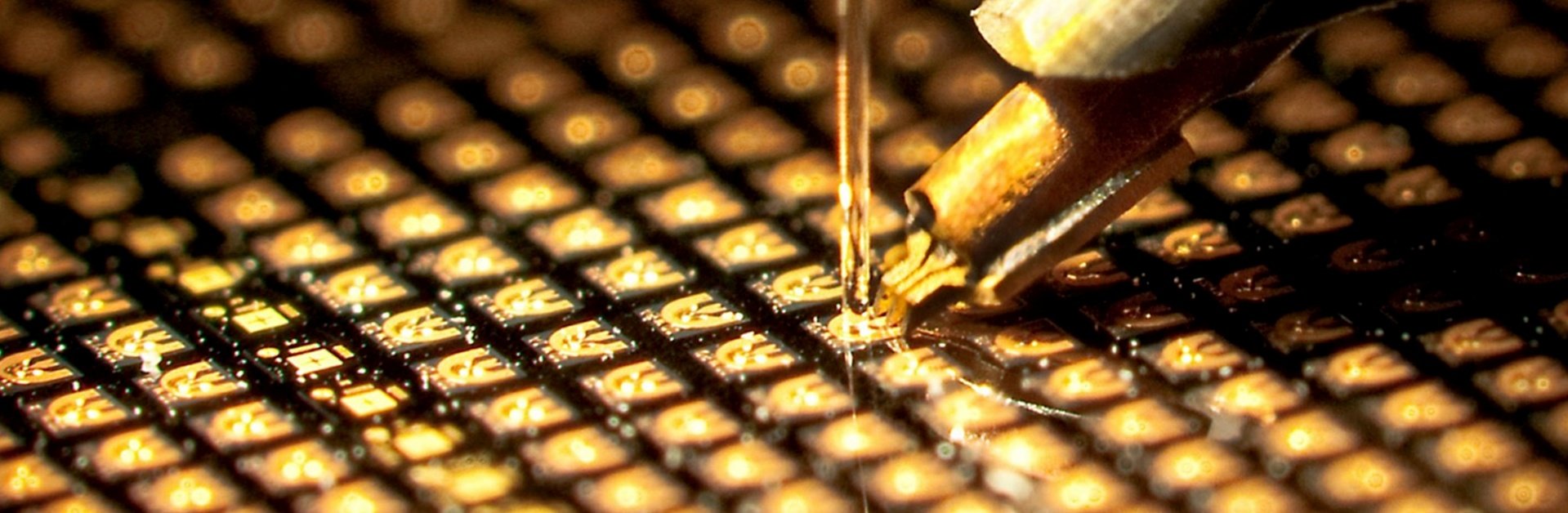
In VCSEL manufacturing, precision isn’t a nice-to-have—it decides whether a device ships to a customer or gets rejected on the production floor. Vertical-cavity surface-emitting lasers (VCSELs) sit inside data links, 3D sensing modules, encoders, and measurement systems where even small geometric errors can turn into drift, excess heat, or unstable output.
A well-engineered tube laser process gives VCSEL manufacturers another lever to control that precision. By bringing accurate, flexible cutting of metal tubes, housings and mechanical fixtures into the same quality mindset as the epitaxy and cavity stack, tube laser technology helps turn a good VCSEL design into a repeatable, high-performance product.
VCSELs: Why Geometry and Tolerances Matter
A VCSEL is a semiconductor laser that emits light vertically from the wafer surface rather than along an edge. This geometry allows:
Wafer-level testing and binning
Dense arrays with controlled spacing
Compact integration into modules and assemblies
However, once the die leaves the wafer, mechanics take over. Packages, ferrules, tubes, and supporting structures all influence:
Beam pointing and alignment into fibers or optics
Thermal paths and long-term reliability
How easily a module can be assembled and calibrated at scale
Small deviations in bore diameter, concentricity, or cut quality can introduce tilt, offset, or stress that a designer never intended. This is where a tube laser process makes a measurable difference.
What Is a Tube Laser in This Context?
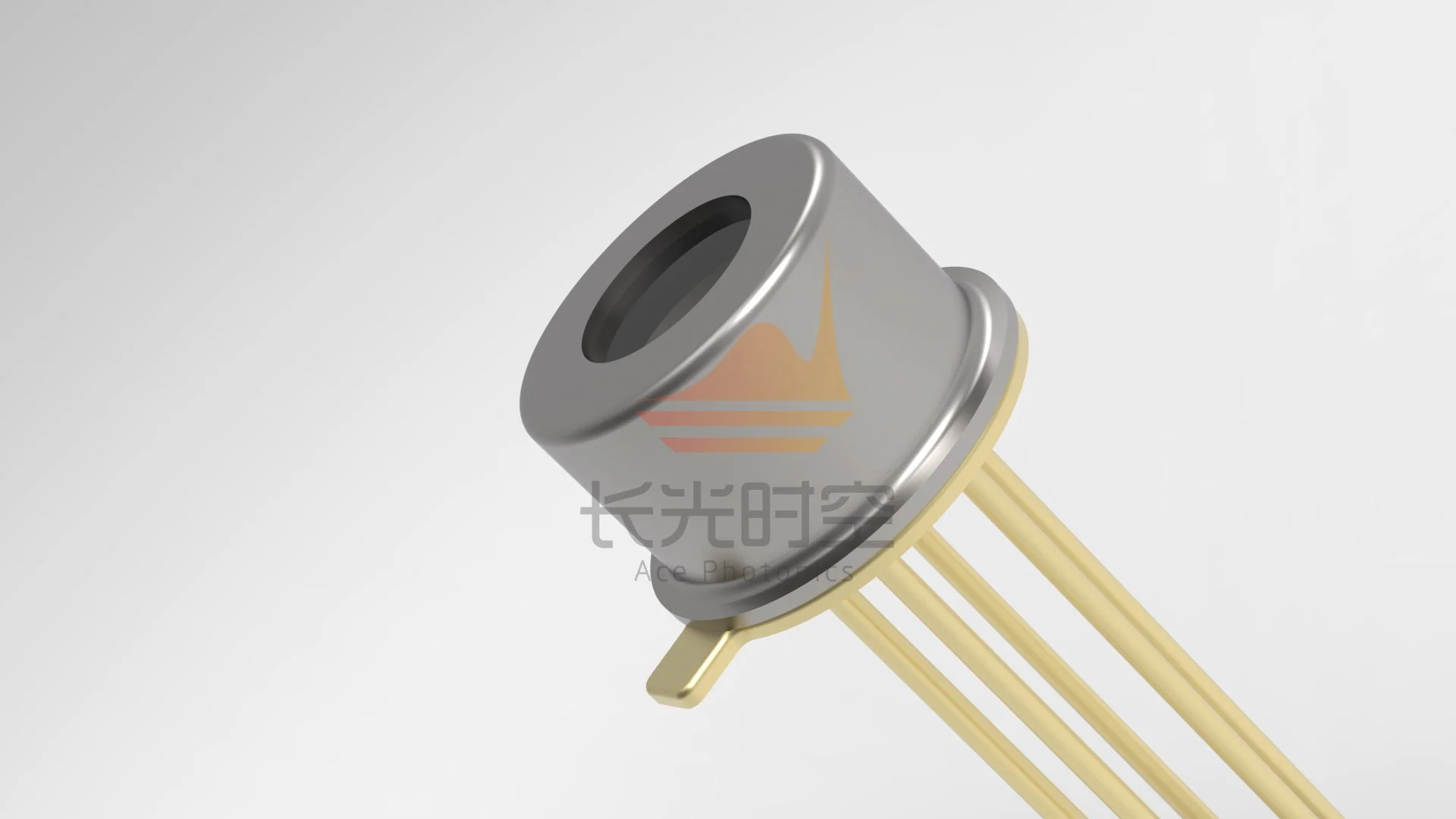
In industrial fabrication, a tube laser is a laser system designed to cut, drill and profile tubular and similar long mechanical parts with high positional accuracy. For VCSEL production and module assembly, these tubes and profiles often appear as:
Alignment sleeves and ferrules
Mechanical guides and sensor housings
Custom fixtures used for test and calibration
Instead of relying on saws, milling or stamping, a tube laser system uses a focused beam and motion control to create precise openings, slots and profiles along the tube, keeping dimensional tolerances tight over long runs.
Key Capabilities of Tube Laser Processing
1. Micron-Scale Dimensional Control
Tube laser systems can hold very small tolerances over repeated cuts. For VCSEL-related parts, this supports:
Consistent inner diameters for alignment tubes
Stable centerline positions for optical paths
Repeatable seat depths and reference edges for packages
This level of control helps keep the VCSEL die and any associated optics exactly where the designer intended, reducing the amount of active alignment and rework during assembly.
2. Freedom of Geometry
Unlike many conventional cutting tools, a tube laser can produce:
Complex cut patterns (slots, windows, and vents) around a tube
Repeatable features at multiple angles along the length
Combinations of through-cuts and fine apertures
For VCSEL modules, this opens options for:
Integrating cable routes and mounting features into a single tube
Adding small apertures for reference beams or sensors
Building more compact mechanical layouts without extra machining steps
3. Clean Edges and Controlled Heat Input
Mechanical saws and milling can introduce:
Burrs and rough edges
Micro-cracks or deformation in thin-wall tubes
Additional cleaning and finishing work
Tube laser cutting reduces mechanical contact and allows controlled heat input, which:
Minimizes distortion of thin structures
Cuts down on post-processing
Helps keep metal surfaces cleaner for subsequent assembly and bonding
How Tube Laser Technology Supports VCSEL Performance
When tube laser processing is used around a VCSEL manufacturing line, it typically shows up in three main areas.
Precision Mechanical Interfaces
Tube lasers help create:
Alignment tubes that hold fibers or lenses relative to the VCSEL beam
Metal sleeves that establish repeatable datum surfaces
Housings with well-defined reference planes for active and passive alignment
Tighter mechanical control means:
Smaller variation in coupling efficiency
Reduced spread in beam pointing angles
More predictable thermal contact between laser and heat-spreading elements
Reduced Process Variation and Scrap
With traditional cutting methods, small differences in tool wear or fixturing can lead to a broad tolerance band. Tube laser processes, once dialed in, can significantly narrow that band. Over many production runs, this tends to:
Cut down on rejected mechanical parts
Lower the risk that a “borderline” component ends up in a finished module
Improve the consistency of outgoing VCSEL module performance
Higher Throughput with Fewer Setups
Modern tube laser cells are built for industrial throughput. For VCSEL makers and module integrators, this can translate into:
Faster turnaround for new mechanical designs and custom options
Less manual handling compared to multi-step machining
The ability to combine several cutting operations into one automated cycle
That combination of speed and stability supports both high-volume production and smaller engineering runs.
Tube Lasers vs. Conventional Cutting for VCSEL Hardware
Mechanical Saws and Milling
Traditional approaches are often limited by:
Tool wear and vibration affecting tolerance
Longer setup times for different geometries
Burrs and deformation on thin-wall metal
In VCSEL systems, these issues can appear later as:
Misalignment between VCSEL and optics or fiber
Uneven thermal contact surfaces
Added time for deburring and inspection
Tube Laser Processing
By contrast, tube laser processing offers:
Non-contact cutting with minimal mechanical stress
Consistent feature quality across large batches
Flexible programming for different patterns without new tools
For VCSEL products, that means:
More consistent alignment features
Less variation to compensate during assembly
A clearer link between mechanical design intent and what actually ships
Practical Outcomes in VCSEL Production
Example: High-Volume VCSEL Modules
In a high-volume environment, even small reductions in variability are noticeable. When tube lasers are used to produce the alignment sleeves and housings for VCSEL modules, manufacturers typically observe:
Narrower distributions of coupling efficiency
Fewer modules set aside for rework due to mechanical misalignment
Smoother ramp-up when moving from pilot runs to production
Example: Custom and Prototype VCSEL Solutions
For custom wavelengths, array layouts or experimental optics, the ability to quickly update mechanical designs is critical. Tube laser processing helps by:
Allowing rapid changes to slot patterns, apertures, and mounting features
Shortening the time from design drawing to physical parts
Supporting precise geometries even at low volumes
The result is that prototype VCSEL systems can reach their target performance in fewer iterations, saving both engineering time and material cost.
Looking Ahead: Tube Lasers in Future VCSEL Platforms
As VCSELs move into more demanding applications—quantum sensing, advanced LiDAR, precision metrology—the expectations on mechanical and thermal design will only grow. Tube laser technology is well suited to support that evolution through:
Finer feature control for more complex mechanical interfaces
Integration with automated inspection systems for inline verification
Easier scaling from small-batch R&D hardware to volume production
For manufacturers, this combination of flexibility and control helps keep VCSEL platforms competitive as system requirements tighten.
Ace Photonics and Tube Laser-Enabled VCSEL Manufacturing
At Ace Photonics Co., Ltd., VCSEL design, epitaxy and fabrication are matched with mechanical and packaging processes that follow the same precision mindset. By incorporating tube laser processing into the way tubes, sleeves and housings are produced, we aim to:
Support stable, high-performance VCSEL laser diodes from 750–1550 nm
Improve repeatability across wafers, lots and final modules
Give customers a path from early concepts to reliable, manufacturable products
For teams building sensing, communication or industrial systems around VCSEL technology, a well-controlled tube laser process is not just a supporting detail—it is part of the core reliability story.